Skip to the content
  • "Curing with Knowledge, Caring with Compassion"
    Clinical Cure

    Clinical Cure

    Your Trusted Medical Guide

    Primary Menu
    • Medical Topics
      • Cardiology
      • Dermatology
      • Endocrinology
      • Gastroenterology
      • Gynecology
      • Hematology
      • Nephrology
      • Neurology
      • Psychiatry
      • Rheumatology
      • Respirology
      • Urology
      • Infectious Diseases
    • Your Health & Advices
    • Clinical Guidelines
    • Research & Publications
    • Contact

    Tag ivermectin for severe scabies

    • Home
    • Scabies Causes, Symptoms and Treatments: A Comprehensive Guide

    Scabies Causes, Symptoms and Treatments: A Comprehensive Guide

    Sep 29, 2024 By hemanthbesabathini@gmail.com Dermatology, Medical Topics, Your Health & Advices antihistamine for scabies, crusted scabies, crusted scabies treatment, how long is scabies contagious, how scabies spreads, how to treat scabies, ivermectin for scabies, ivermectin for severe scabies, malathion 0.5%, malathion for scabies, permethrin 5% cream, permethrin cream for scabies, scabies, scabies causes, scabies contagious period, scabies diagnosis, scabies FAQ, scabies home remedies, scabies in adults, scabies in children, scabies in nursing homes, scabies infection, scabies infection signs, scabies itching, scabies management, scabies medication options, scabies medications, scabies mites, scabies oral medication, scabies outbreak prevention, scabies prevention, scabies prevention tips, scabies rash, scabies skin care, scabies symptoms, scabies topical treatment, scabies treatment, scabies treatment at home, scabies treatment options, scabies vs eczema, scabies vs psoriasis
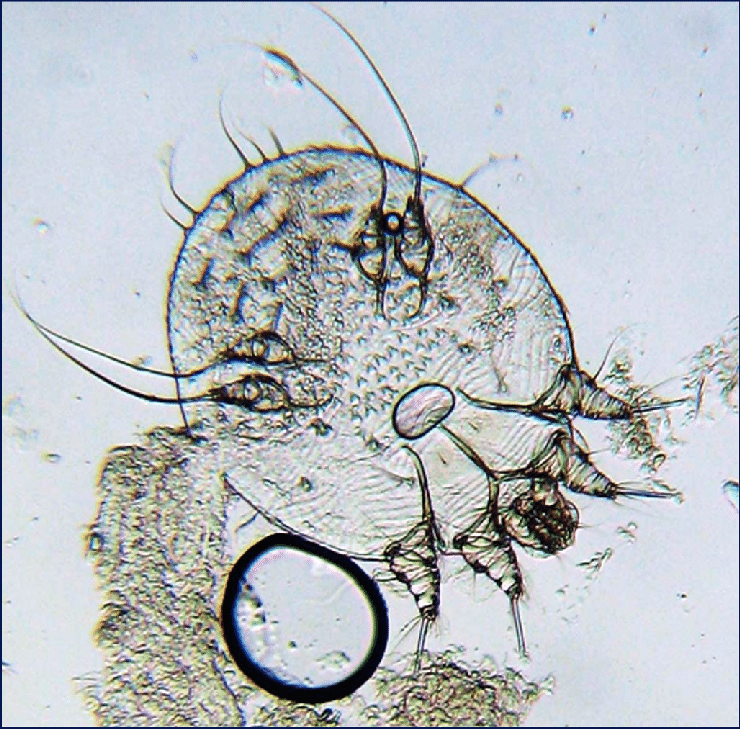
    Scabies mite under microscope

    “Discover everything you need to know about scabies, including its symptoms, causes, treatment options, and prevention strategies. Learn how to identify and manage this contagious skin condition effectively.” …

    Read More…….Scabies Causes, Symptoms and Treatments: A Comprehensive Guide

    In this video, we continue our deep dive into **Complications of Chronic Kidney Disease (CKD)** and break down the most important high-yield topics in a simple, step-by-step way.After covering hyperphosphatemia in the previous video, today we focus on:
✔ Vitamin D deficiency
✔ Secondary hyperparathyroidism
✔ CKD-induced anemia
✔ Hyperkalemia
✔ Metabolic acidosisWe explain the **Vitamin D–PTH axis**, why it fails in CKD, and how it leads to bone disease and mineral imbalance. You’ll also learn the **clinical use of vitamin D analogues, calcimimetics (cinacalcet), and ESA therapy for anemia**, along with **drug dosing, side effects, and monitoring**.We then dive into **hyperkalemia**, one of the most dangerous electrolyte emergencies, including:
⚡ Causes
⚡ ECG changes
⚡ Stepwise emergency managementFinally, we cover **metabolic acidosis in CKD**, when to treat, and the role of bicarbonate therapy.🎯 This video is perfect for:* Medical students
* Pharmacy students
* Nursing students
* Clinicians preparing for exams📌 If you find this helpful:
👍 Like the video
🔔 Subscribe for more high-yield clinical content
📤 Share with your friends---# 📚 Topics Covered:* CKD complications overview
* Vitamin D metabolism & activation
* Secondary hyperparathyroidism
* Vitamin D analogues & calcimimetics
* CKD anemia & ESA therapy
* Hyperkalemia (causes + treatment)
* Metabolic acidosis management# 🔥 Stay Connected:More videos on kidney physiology & clinical pharmacology coming soon!00:00 Introduction & Recap of Previous Video
01:20 CKD Complications Overview
02:10 Vitamin D–PTH Axis Explained
05:30 Why Vitamin D Deficiency Happens in CKD
08:00 Secondary Hyperparathyroidism Pathophysiology
11:00 Vitamin D Forms (D2 vs D3)
13:00 Vitamin D Analogues (Calcitriol, Paricalcitol, Doxercalciferol)
17:30 Calcimimetics (Cinacalcet) – Mechanism & Use
20:30 Drug Dosing, Side Effects & Monitoring
24:00 CKD-Induced Anemia & ESA Therapy
28:30 Hyperkalemia – Causes & Clinical Importance
31:30 Hyperkalemia Emergency Management
34:30 Potassium Binders Explained
38:30 Metabolic Acidosis in CKD
41:00 Bicarbonate Therapy
42:30 Final Summary & Key Takeaways
    CKD Complication & treatment over simplified@dukerenalphysiology3772 CKD anatomy and Physiology
    Did you know that over 30 million adults in the U.S. — that’s 1 in 7 people — are living with chronic kidney disease (CKD)? Many don’t even realize it until the damage is advanced.In this video, we break down everything you need to know about CKD, including:✅ Common causes – Diabetes, hypertension, polycystic kidney disease, and drug-induced kidney damage
✅ Kidney function & complications – How CKD affects calcium, phosphate, vitamin D, and parathyroid hormone (PTH)
✅ Bone & cardiovascular risks – Understanding secondary hyperparathyroidism, vascular calcification, and anemia
✅ Pharmacist’s role – Safe medication use, monitoring eGFR, creatinine clearance, and phosphate binders like Sevelamer, Lanthanum, and Ferric Citrate
✅ Prevention tips – Managing blood sugar, blood pressure, and dietary phosphateWhether you’re a student, healthcare professional, or just curious about kidney health, this step-by-step guide simplifies complex renal physiology and CKD management.0:00 – Introduction: CKD prevalence & why many people don’t know they have it
0:45 – Welcome to Pharmacy Made Easy & Kidney Physiology Playlist overview
1:30 – What is Chronic Kidney Disease (CKD)? Definition & risk groups
2:20 – Common causes of CKD: Diabetes & Hypertension
3:30 – How high blood sugar & blood pressure damage kidneys
4:15 – Less common causes: Polycystic Kidney Disease, Renal Artery Stenosis, Drug-induced CKD
5:10 – Role of pharmacists in CKD management
6:00 – Complications pharmacists monitor: anemia, hypertension, electrolyte & acid-base imbalance, bone-mineral disorders
6:45 – Introduction to the calcium-phosphate-vitamin D triangle
7:20 – Phosphate regulation & hyperphosphatemia in CKD
8:00 – Vitamin D activation failure & low calcium absorption
8:40 – How PTH responds: secondary hyperparathyroidism & bone demineralization
9:30 – Chronic effects: hypercalcemia, vascular calcification & cardiovascular risk
10:10 – CKD-induced anemia: reduced EPO & RBC production
10:45 – Summary of CKD biochemical changes
11:15 – Hyperphosphatemia management: dietary restrictions & phosphate binders
11:50 – Types of phosphate binders: Aluminium-based
12:20 – Calcium-based phosphate binders: examples, dosing, side effects
12:55 – Aluminium & calcium-free phosphate binders: sucroferric oxyhydroxide, ferric citrate, lanthanum carbonate, sevelamer
13:40 – Monitoring, side effects & drug interactions of phosphate binders
13:55 – Wrap-up & next video preview: vitamin D deficiency, secondary hyperparathyroidism, CKD anemia, hypercalcemia & metabolic acidosis
    Chronic Kidney Disease CKD definition/diagnosis/complications@osmosis @solutionpharmacy @FitTuber
    In this video, we explore the concept of relative risk (RR), odds ratios (OR), and hazard ratios (HR) in clinical trials. We discuss their definitions, formulas, and importance in interpreting trial results. A real-world example is provided to illustrate how to calculate relative risk and its implications for treatment efficacy. Additionally, we examine odds ratios and hazard ratios, comparing their applications in retrospective versus survival analysis studies. By the end, you'll have a clear understanding of how these statistics help inform evidence-based medicine.0:00 - Introduction0:54 - Understanding risk in clinical trials1:35 - Definition of relative risk (RR)2:14 - Formula for calculating RR3:00 - Example: Metoprolol trial results4:20 - Interpreting relative risk values5:08 - Introduction to odds ratio (OR)6:00 - Formula for odds ratio6:55 - Interpreting odds ratio values7:30 - Introduction to hazard ratio (HR)8:10 - Formula for hazard ratio9:00 - Example: Niacin study results9:40 - Interpreting hazard ratio values10:30 - Summary and practical application11:10 - Quick#RelativeRisk #OddsRatio #HazardRatio #ClinicalTrials #EvidenceBasedMedicine #PharmacyMadeEasy #MedicalStatistics #HealthCare #StatisticsInMedicine #DrugEfficacyGravity hazbin hotel
@TrialsandTreatmentsUncovered
Khaby lame mechanism#Statistics with rUnderstanding relative risk in clinical trials  How to calculate and interpret odds ratios  Significance of hazard ratios in survival analysis  Difference between risk, odds, and hazard ratiosRisk ratio  Relative risk calculation  Odds ratio definition  Hazard ratio explained  Metoprolol study  Niacin cardiovascular study
    Relative Risk Calculation: The Formula Everyone Gets Wrong
    Acute Kidney Injury (AKI) is a sudden decline in kidney function that can mean the difference between life and death. In this high-yield, clinically relevant breakdown, we’ll cover everything you need to know for exams and practice:✅ What is AKI?
✅ Causes: Pre-renal, Intrinsic (renal), and Post-renal
✅ Clinical features & diagnosis (KDIGO, RIFLE criteria)
✅ Management principles: fluids, electrolytes, acidosis, dialysis, nutrition, infection, medications, recovery
✅ Clinical pearls for real-life casesWhether you’re a medical student, pharmacy student, nursing student, or healthcare professional, this video will give you the tools to recognize, classify, and manage AKI effectively.📌 Subscribe to Pharmacy Made Easy for more high-yield medicine tutorials that simplify complex clinical topics.👉 Don’t forget to like, comment, and share if this video helped you!#KidneyHealth #AcuteKidneyInjury #Pharmacology #MedicalEducation
#AcuteKidneyInjury #AKI #Nephrology #CriticalCare #MedicalEducation #PharmacyMadeEasy #RenalFailure #MedicalStudents #NursingSchool #USMLE #PLAB #MBBS #DoctorLife #KidneyDisease #MedicalLecture #HighYield00:00 Intro – Why AKI matters
00:52 What is Acute Kidney Injury (AKI)?
02:05 Classification: Pre-renal, Renal, Post-renal
03:10 Pre-renal AKI explained (hypoperfusion, NSAIDs, ACE inhibitors)
05:15 Renal (intrinsic) AKI – nephrotoxins & glomerulonephritis
07:10 Post-renal AKI – obstruction causes & diagnosis
08:30 Clinical features & diagnosis (KDIGO, RIFLE, labs)
10:05 Management Principles – fluids, nephrotoxin stop, monitoring
11:20 Stabilising haemodynamics & fluid therapy
12:40 Hyperkalemia & acidosis management
13:55 Pulmonary oedema & fluid balance strategies
14:45 Electrolyte disturbances (Na, Ca, Phosphate)
15:20 Nutrition & infection control in AKI
15:55 Drug review, immunosuppression, obstruction relief
16:25 Dialysis (RRT) – indications & options
16:55 Recovery phase & recap
17:20 Outro – Key takeaways & subscribe
    AKI Destroyed My Kidneys in 48 Hours
    Learn kidney function, BUN, creatinine, creatinine clearance, Cockcroft-Gault, eGFR, CKD staging, albuminuria, and renal drug dosing in this high-yield clinical guide for medical students and professionals.✅ What you’ll learn:BUN vs Creatinine – when lab numbers misleadCockcroft-Gault for drug dosing (CrCl)Pitfalls in obesity, pregnancy, liver disease, elderly, and athletesGFR estimation (MDRD vs CKD-EPI equations)Albuminuria as an early marker of CKDHow labs impact CKD diagnosis, nephrology referral, dialysis planning, and drug safetyWhether you’re a med student, pharmacist, nurse, or clinician, this guide will help you connect lab values to life-or-death clinical decisions.📌 Don’t forget to like, share, and subscribe for more high-yield medicine made simple!kidney function testBUN testserum creatininecreatinine clearanceCockcroft Gault equationGFR equationCKD stagesalbuminuriahow to interpret BUN and creatinine levelsCockcroft Gault vs MDRD vs CKD EPIcreatinine clearance calculation for drug dosingkidney disease staging explainedalbuminuria as early marker of CKDlimitations of Cockcroft Gault in obesity and pregnancyhow to calculate adjusted body weight for CrCldifference between CrCl and GFR in kidney functionCKD EPI 2021 race free equation explained0:00 – Introduction
How kidneys work & why measuring kidney function matters00:40 – BUN (Blood Urea Nitrogen)
Definition, reliability issues & clinical pitfalls02:00 – Serum Creatinine (SCr)
Normal range, secretion, strengths & limitations03:20 – Cockcroft-Gault Equation (CrCl)
Formula, weight adjustments & drug dosing relevance05:30 – Pitfalls of Creatinine Clearance
Elderly, obesity, pregnancy, liver disease, high muscle mass08:20 – CrCl vs GFR
When to use CrCl for drug dosing vs GFR for staging CKD09:40 – MDRD vs CKD-EPI Equations
Accuracy, race correction & why CKD-EPI 2021 is the gold standard11:20 – Albuminuria & CKD Diagnosis
KDIGO criteria & why albumin is an early “smoke alarm”12:20 – Clinical Application & Wrap-Up
Drug dosing, prognosis, and final pearls
    I Reversed My Kidney Disease Without Dialysis
    Learn renal physiology and renal function tests step by step — from urinalysis (physical, microscopic, chemical) to blood tests and combined clearance methods (GFR, RPF, RBF, Urea clearance) with worked examples, formulas, and clinical pearls.👉 Perfect for medical students, doctors, USMLE / PLAB / NEET-PG / MBBS prep or anyone wanting a clear, clinical approach to kidney function.
👉 Covered topics:
✅ Properties & composition of normal urine (volume, pH, color, odor, specific gravity, osmolarity)
✅ Urinalysis: physical → microscopic → chemical analysis
✅ Blood tests: plasma proteins, urea, uric acid, creatinine
✅ Clearance tests: Inulin, Creatinine, PAH, Urea clearance
✅ Clinical pearls: Proteinuria, Hematuria, Casts, Crystals, Nitrites, Diabetes mellitus, Diabetes insipidus
✅ Drug relevance: ACE inhibitors, ARBs, SGLT2 inhibitors, aminoglycosides, vancomycin, chemotherapies#RenalFunctionTests #Urinalysis #MedicalEducation #USMLE #NEETPG #KidneyHealth #GFR #CreatinineClearance #MBBS #PLAB
📌 Why watch?Simplified breakdown of high-yield renal conceptsStep-by-step worked numerical examples for GFR & RPFClinical context + drug correlations → ready for bedside useIdeal revision for exams + real-world application✨ Don’t forget:
👍 Like this video
💬 Comment which clinical sign you want next (Proteinuria? Hematuria?)
🔔 Subscribe for the next video on Kidney Failure & its clinical evaluationrenal function tests explainedurinalysis normal and abnormal findingsglomerular filtration rate GFR calculationcreatinine clearance vs inulin clearancerenal plasma flow PAH clearance examplerenal blood flow physiology explainedurine examination clinical pearlskidney function test medical studentsnephrology high yield exam preprenal physiology USMLE NEET PG PLABrenal function tests, urinalysis, GFR, creatinine clearance, PAH clearance, renal blood flow, urea clearance, urine examination, kidney physiology, nephrology, proteinuria, hematuria, RBC casts, WBC casts, diabetes insipidus, SGLT2 inhibitors0:00 – Introduction & Why Renal Function Tests Matter
0:35 – Properties of Normal Urine (volume, pH, specific gravity, osmolarity, color, odor)
2:50 – Composition of Urine: Organic & Inorganic Constituents
3:30 – Renal Function Tests Overview (urine, blood, combined clearance)
4:20 – Urinalysis – Physical Examination
6:10 – Urinalysis – Microscopic Examination (RBCs, WBCs, epithelial cells, casts, crystals, bacteria)
9:50 – Urinalysis – Chemical Examination (glucose, protein, ketones, bilirubin, urobilinogen, nitrite, hematuria)
13:30 – Blood Tests (plasma proteins, urea, uric acid, creatinine)
15:30 – Clearance Tests & Formula (C = U × V / P)
16:30 – GFR Measurement: Inulin & Creatinine Clearance (worked example)
18:30 – Renal Plasma Flow (PAH Clearance example)
19:50 – Renal Blood Flow (via PCV correction)
20:50 – Urea Clearance Test & Summary
21:30 – Clinical Correlations & High-Yield Pearls (polyuria, glycosuria, proteinuria, hematuria, casts, crystals, nitrite)
22:10 – Final Summary & Closing Remarks
    Don't Ignore These Kidney Warning Signs | Urinalysis Explained
    Kidney physiology, acid-base balance, bicarbonate reabsorption, hydrogen ion secretion, phosphate and ammonia buffering explained in this renal physiology lecture with clinical pearls for USMLE & NEET PG.Every day, your metabolism produces thousands of hydrogen ions (H⁺) that could push you toward dangerous acidosis. So how do you stay in balance?In this lecture, we’ll take a deep dive into renal physiology—breaking down how the kidney maintains acid-base balance through bicarbonate reabsorption, hydrogen ion secretion, phosphate buffering, and the ammonia mechanism.🔬 You’ll learn:The role of bicarbonate reabsorption in maintaining blood pHHow hydrogen ions are secreted by the sodium-hydrogen pump & ATP proton pumpThe bicarbonate, phosphate, and ammonia buffering mechanismsHow these processes connect to renal tubular acidosis (RTA)Why acetazolamide works as a carbonic anhydrase inhibitorClinical pearls for USMLE, NEET PG, MBBS exams, and medical practice👩‍⚕️ This is perfect for medical students, USMLE prep, and healthcare professionals who want a clear and clinically relevant understanding of acid-base physiology.👉 Don’t forget to subscribe for more high-yield physiology and medicine tutorials!00:00 – Introduction: The Kidney & Acid-Base Balance
01:10 – Setting the Stage: Why urine is acidic
03:05 – Bicarbonate (HCO₃⁻) Reabsorption
05:45 – Hydrogen Ion (H⁺) Secretion & Carbonic Anhydrase
09:20 – The Sodium-Hydrogen Pump & Proton Pump
11:00 – Mechanisms of H⁺ Excretion (Bicarbonate, Phosphate, Ammonia)
14:30 – The Bicarbonate Mechanism
16:15 – The Phosphate Mechanism
18:05 – The Ammonia Mechanism (Glutamine → NH₃ → NH₄⁺)
22:30 – Clinical Correlations: Renal Tubular Acidosis & Acetazolamide
25:00 – Big Picture Recap & Summary
27:10 – Outro + Next Topic (Urine Analysis)#KidneyPhysiology #AcidBaseBalance #RenalPhysiology #MedicalEducation #USMLE #NEETPG #MBBS #PhysiologyLecture #RenalTubularAcidosis #Acetazolamidekidney acid-base balancerenal physiology explainedbicarbonate reabsorptionhydrogen ion secretionammonia buffer system kidneyphosphate buffering mechanismrenal tubular acidosis RTAacetazolamide mechanism of actioncarbonic anhydrase inhibitor physiologyurine acidification processacid-base balance physiologynephron physiology USMLErenal physiology NEET PGkidney function explained for medical students
    Your Kidneys Do Something Most People Never Realize
    Kidney physiology, urine concentration, nephron function, ADH, countercurrent mechanism, loop of Henle, vasa recta, urea recycling, diabetes insipidus, SIADH, Bartter syndrome, Guyton, Ganong, Harrison — learn urine formation step by step from school biology to postgraduate exam prep.In this video, we’ll break down the fascinating step-by-step physiology of how your kidneys concentrate urine, from the glomerulus to the collecting duct, and how conditions like diabetes insipidus, SIADH, and Bartter syndrome affect this delicate balance.✅ Topics Covered:Why urine concentration is vital for survivalThe role of ADH (antidiuretic hormone) in water balanceCountercurrent multiplier (Loop of Henle) explainedCountercurrent exchanger (Vasa recta) and medullary gradientThe role of urea recycling in hyperosmolaritySegment-by-segment breakdown of nephron physiologyClinical applications: Diabetes insipidus, SIADH, Bartter syndrome, osmotic diuresisIf you’re a medical student, pharmacy/pharmacology learner, or preparing for exams like USMLE, PLAB, NEET-PG, this video will give you high-yield renal physiology made simple.📌 Watch till the end for applied physiology and real-world clinical correlations.🔹 Timestamps (Chapters)00:00 – Introduction: Kidneys & urine concentration
01:05 – Why urine concentration is essential
02:30 – Role of ADH & water balance
04:15 – Medullary gradient explained
06:20 – Countercurrent multiplier (Loop of Henle)
08:45 – Urea recycling & transporters (UTA1, UTA3)
11:10 – Countercurrent exchanger (Vasa recta)
13:40 – Segment-by-segment nephron summary
17:20 – Role of ADH in concentrated urine
19:00 – Clinical physiology (Diabetes insipidus, SIADH, Bartter syndrome)
22:30 – Conclusion & exam tips#KidneyFunction #UrineFormation #RenalPhysiology #MedicalStudents #SchoolBiology #MBBS #NursingStudents #PharmacyEducation #USMLE #NEETPG #PLAB #MRCP #AIIMS #GuytonPhysiology #GanongReview #PharmacologyMadeSimpleurine concentration, kidney physiology, ADH, loop of Henle, countercurrent mechanism, vasa recta, urea recycling, nephron functionhow kidneys concentrate urine explainedurine formation step by step for medical studentscountercurrent multiplier and exchanger simplifiedrole of ADH in urine concentrationmedullary gradient and urea recycling in nephronclinical disorders affecting urine concentration (SIADH, diabetes insipidus, Bartter syndrome)high yield renal physiology USMLE NEET PGhow kidneys make urineurine formation explained simplybiology class kidneys filtrationkidney function for high schoolhuman excretory system explainedsimple explanation of urine concentrationUndergraduate (MBBS, Nursing, Pharmacy, Allied health):renal physiology simplifiedurine concentration step by step MBBSnephron function explained for nursingpharmacology of ADH hormoneloop of Henle countercurrent systemvasa recta and medullary gradientclinical disorders of urine concentrationPostgraduate / Competitive exams:high yield renal physiology USMLENEET PG physiology kidneyPLAB exam renal systemAIIMS physiology urine concentrationMRCP nephrology urine formationcountercurrent mechanism MCQs physiologyapplied renal physiology for examsAuthors / Textbook references:Guyton and Hall renal physiologyGanong review kidney concentrationBerne and Levy renal physiology simplifiedKandel neuroscience ADH role kidneyHarrison’s medicine diabetes insipidus physiologyGoodman and Gilman ADH pharmacology
    Diabetes Insipidus vs SIADH: When Pee Goes Wrong
    Let's learn about the process of *urine production* and *kidney physiology*! We'll cover *glomerular filtration*, and how the *nephron function* contributes to the overall *renal* system. This video will help you understand how your kidneys work!Latest video : https://youtu.be/-XWtVJqgFv4
https://www.youtube.com/playlist list=PLuPCyA6ayV70MhZEr5HtXl9C8deSWFGZo• Tubular Reabsorption: The reclaiming of essential substances like glucose, amino acids, and electrolytes.
• Tubular Secretion: The active transport of waste products and excess ions into the tubular fluid.https://courses.lumenlearning.com/suny-dutchess-ap1/chapter/physiology-of-urine-formation-in-the-nephrons/“The glomerular filtration rate (GFR) is the total amount of filtrate formed by all nephrons per minute — roughly 125 mL/min, or 180 liters/day!also covered -
“Filtration is determined by three pressures:
1. Glomerular capillary pressure – ~60 mmHg, favors filtration.
2. Colloidal osmotic pressure – ~25 mmHg, opposes filtration due to plasma proteins.
3. Hydrostatic pressure in Bowman capsule – ~15 mmHg, also opposes filtration.
The net filtration pressure is the balance:
60−(25+15) =20 mmHg60 - (25+15) = 20 \text {mmHg} 60−(25+15) =20 mmHg
This net pressure ensures plasma flows into Bowman’s capsule.”Starling Forces & Filtration Coefficient
“Net filtration is governed by Starling forces, where hydrostatic pressures push fluid out, and osmotic pressures pull it back. The filtration coefficient links GFR to net filtration pressure:
So, how do we figure out the actual force that drives filtration in the kidneys? That’s where the Starling hypothesis comes in.
Starling says: The net filtration through a capillary depends on the balance between:
1. Hydrostatic pressure – the “push” of fluid out of the capillaries.
2. Oncotic pressure – the “pull” from proteins that hold fluid back in the capillaries.✅ Key idea:
Net Filtration Pressure = Hydrostatic Push – (Colloidal Pull + Capsular Push)
This is the actual force that determines how much plasma moves from the blood into Bowman’s capsule.
For a normal GFR of 125 mL/min and net pressure 20 mmHg, the coefficient is 6.25 mL/mmHg.”Understanding these processes is crucial for grasping kidney function and maintaining homeostasis. Whether you're a student, educator, or healthcare professional, this video provides a clear and detailed explanation of renal physiology
Let's learn about the process of *urine production* and *kidney physiology*! We'll cover *glomerular filtration*, and how the *nephron function* contributes to the overall *renal* system. This video will help you understand how your kidneys work!#UrineFormation #KidneyPhysiology #NephronFunction #RenalPhysiology #GlomerularFiltration #TubularReabsorption #TubularSecretion #MedicalEducation #AnatomyAndPhysiology #UrinarySystem #KidneyFunction #RenalAnatomy #FiltrationFraction #RenalPlasmaFlow #Autoregulation #HormonalRegulation• "Detailed explanation of urine formation in the human: https://www.brainkart.com/article/Urine-Formation_21161/
• "Glomerular filtration, tubular reabsorption, and secretion processes"
• "Kidney physiology and urine formation steps"
• "Understanding nephron function in urine production"
• "Urine formation: https://ditki.com/course/physiology
• "Kidney physiology"
• "Nephron function: https://www.youtube.com/watch?v=9_h0ZXx1lFw
• "Glomerular filtration"
• "Tubular reabsorption"
• "Tubular secretion"00:00 – Introduction to Urine Formation
01:30 – Glomerular Filtration: The First Step
03:00 – The Filtration Membrane Explained
04:30 – Collection of Glomerular Filtrate
06:00 – Understanding Glomerular Filtration Rate (GFR)
07:30 – Pressures Determining Filtration
09:00 – Starling Forces & Filtration Coefficient
10:30 – Factors Regulating GFRQuizlet
12:00 – Introduction to Tubular Reabsorption
13:30 – Selective Reabsorption Mechanisms
15:00 – Site-Specific Reabsorption in Nephron Segments
16:30 – Regulation of Reabsorption Processes
18:00 – Threshold Substances & Transport Maximum Ditki Medical & Biological Sciences+5Osmosis+5Wikipedia+5
19:30 – Reabsorption of Sodium (Na⁺)
21:00 – Reabsorption of Water
22:30 – Reabsorption of Glucose, Amino Acids, and Bicarbonates
24:00 – Introduction to Tubular Secretion YouTube
25:30 – Tubular Secretion of Potassium (K⁺)
27:00 – Tubular Secretion of Hydrogen Ions (H⁺)
28:30 – Urine Formation https://www.brainkart.com/article/Urine-Formation_21161/
30:00 – Conclusion and Final Thoughts
    Why Your Pee Isn't Always Yellow
    Subscribe