
Conjunctivitis: Causes, Symptoms, prevention & Treatment
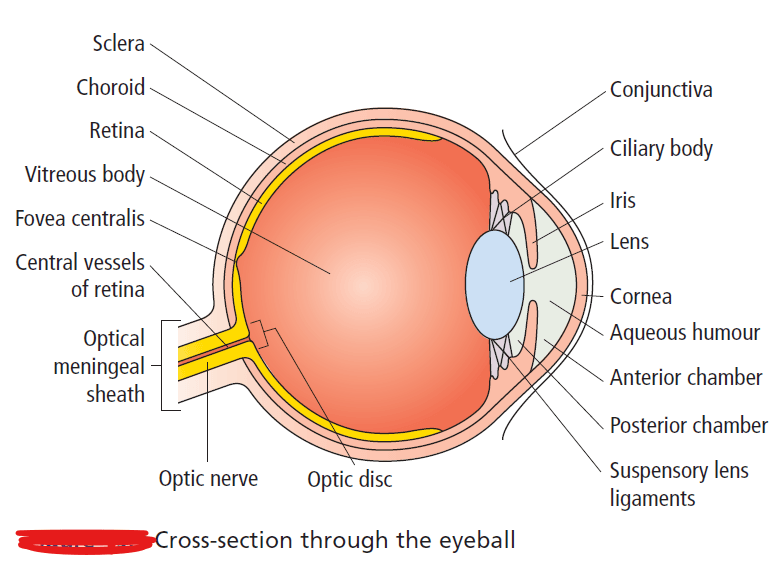
The conjunctiva is a thin, transparent mucous membrane that covers the inner surface of the eyelids and extends over the front (anterior) surface of the eye, excluding the cornea. It plays an important role in maintaining eye health by producing secretions, The conjunctiva contains goblet cells that produce mucins, especially MUC5AC, which are important components of the tear film, that help lubricate, protect, and keep the eye surface moist.
Conjunctivitis, commonly known as “pink eye,” occurs when the conjunctiva becomes inflamed or irritated. This inflammation can cause characteristic symptoms such as eye redness, swelling, itching, irritation, excessive tearing, and discharge. Conjunctivitis may result from infections (viral or bacterial), allergic reactions, or exposure to irritants. While usually not serious, conjunctivitis can be uncomfortable and highly contagious depending on its cause. This blog will provide an in-depth look into the causes, symptoms, treatment options, and preventive measures for conjunctivitis.
Conjunctivitis: Causes Symptoms and Treatment – Types of Conjunctivitis
Conjunctivitis can be broadly categorized into viral, bacterial, allergic, and chemical types, each with distinct causes and modes of transmission.
- Viral Conjunctivitis
Often caused by common viruses like adenovirus, viral conjunctivitis is highly contagious. It typically spreads through direct contact with infected eye secretions or via respiratory droplets, similar to the cold or flu. This form of conjunctivitis may accompany upper respiratory infections. - Bacterial Conjunctivitis
Bacterial conjunctivitis is caused by bacteria such as Staphylococcus aureus, Streptococcus pneumoniae, or Haemophilus influenzae. It is also highly contagious, often spreading through hand-to-eye contact after touching contaminated surfaces. The infection typically results in a thicker, yellow, or green discharge and may cause the eyelids to stick together, especially upon waking. - Allergic Conjunctivitis
Unlike viral or bacterial types, allergic conjunctivitis is not contagious. It occurs when the eyes react to allergens such as pollen, pet dander, dust mites, or mold. Symptoms include intense itching, redness, and swelling of the eyelids. - Chemical Conjunctivitis
Exposure to irritants such as smoke, chlorine, or air pollution can cause chemical conjunctivitis. While not contagious, it requires immediate flushing of the eyes to remove the irritant and prevent further damage.
Symptoms of Conjunctivitis in adults
The symptoms of conjunctivitis vary depending on the type but may include:
- Redness in the white part of the eye or inner eyelid.
- Watery or mucous discharge, which may be clear in viral cases or thick and colored in bacterial cases.
- Itchy or burning sensation, especially in allergic conjunctivitis.
- Swelling of the eyelids or increased sensitivity to light.
- Crusting of the eyelids, particularly in bacterial conjunctivitis.
In some cases, conjunctivitis may also cause blurred vision, which should prompt a visit to a healthcare provider to rule out more serious conditions like keratitis.
Causes and Risk Factors of conjunctivitis
Conjunctivitis can be triggered by several factors:
- Viral and bacterial conjunctivitis spread through direct or indirect contact with an infected individual or contaminated object.
- Allergic conjunctivitis results from exposure to allergens, while chemical conjunctivitis occurs after exposure to harmful irritants.
- Poor hand hygiene, close contact with infected individuals, or communal environments (e.g., schools or daycare centers) increase the risk of viral and bacterial conjunctivitis.
- Contact lens use, particularly if lenses are not cleaned properly, can lead to conjunctivitis as well.
Treatment Options
| TYPE | CAUSES | TREATMENT of conjunctivitis |
|---|---|---|
| Viral Conjunctivitis | Adenovirus (most common), along with other viruses. Most infections are mild, but some cases can be severe (for example, infections caused by varicella-zoster virus or HIV). |
|
| Bacterial Conjunctivitis | Common bacterial causes include: • Streptococcus pneumoniae • Haemophilus influenzae • Moraxella catarrhalis More severe infections may be caused by: | Bacterial Conjunctivitis Treatment Select topical antibiotic eye drops or ointments may be used, including: . Moxifloxacin (Vigamox) |
| Allergic Conjunctivitis | Common allergens include: Usage notes: Prednisolone or steroid eye drops may be used for severe acute allergic reactions but are generally not recommended for long-term use due to the risk of increased intraocular pressure (IOP). • Ophthalmic decongestants may reduce redness associated with allergic conjunctivitis. | Allergic Conjunctivitis Treatment
• Cromolyn • Lodoxamide (Alomide) • Nedocromil (Alocril) Antihistamines: Antihistamine/Mast cell stabiliser combination: |
Preventive Measures – conjunctivitis self-care
Preventing the Spread of Viral and Bacterial Conjunctivitis
Viral and bacterial conjunctivitis are common among young children and are highly contagious. To reduce transmission, infected children should avoid attending school or childcare until appropriate treatment has been started. However, exclusion may be required for longer if they develop systemic symptoms (such as fever or feeling generally unwell), depending on local guidance.
Patients with infectious conjunctivitis should follow these hygiene measures to prevent spreading the infection:
- Avoid touching or rubbing the eyes, as this can spread infectious material to the hands and other surfaces.
- Practise good hand hygiene by washing hands thoroughly and frequently with soap and water, especially after touching the eyes or applying eye drops.
- Use separate towels and washcloths and change them regularly. Do not share personal items such as towels, pillows, or face cloths with others.
- Discard eye cosmetics, especially mascara, eyeliner, and other products used around the eyes, as they may become contaminated and cause reinfection.
- Avoid sharing eye drops or personal eye-care products with other people.
Following these precautions helps limit the spread of conjunctivitis within households, schools, and community settings.
Complications and When to Seek Medical Help
While conjunctivitis is generally a mild condition, complications can occur if the infection is severe or left untreated. Bacterial conjunctivitis, for example, may lead to corneal ulcers or keratitis, which can cause permanent vision damage if not addressed. If symptoms persist for more than a week or worsen, it is important to consult an eye care professional.
Seek medical attention if you experience:
- Severe pain in the eye.
- Sudden blurred vision or sensitivity to light.
- Symptoms that do not improve within a few days of treatment.
- A weakened immune system or underlying eye conditions can make you more vulnerable to complications.
Frequently Asked Questions About Conjunctivitis (Pink Eye)
Can hay fever cause conjunctivitis?
Yes. Hay fever (allergic rhinitis) can cause allergic conjunctivitis when the eyes react to allergens such as pollen, dust mites, or pet dander. The immune response releases chemicals such as histamine, leading to symptoms including itchy eyes, redness, watery discharge, swelling, and irritation. Unlike viral or bacterial conjunctivitis, allergic conjunctivitis is not contagious.
Can conjunctivitis go away on its own?
Yes, some types of conjunctivitis can resolve without treatment. Viral conjunctivitis often improves on its own within 1–2 weeks with supportive care, such as cleaning eye discharge and using artificial tears for comfort. Mild cases of allergic conjunctivitis may improve when exposure to the triggering allergen is reduced. However, bacterial conjunctivitis may require antibiotic treatment, especially if symptoms are severe, persistent, or associated with significant discharge.
Can conjunctivitis make you feel unwell?
Conjunctivitis usually affects the eyes and does not commonly make people feel generally unwell. However, viral conjunctivitis may occur alongside a cold, sore throat, fever, or other symptoms of a viral infection. If you experience severe eye pain, vision changes, marked swelling, or feel very unwell, medical advice should be sought.
Can you swim with conjunctivitis?
It is best to avoid swimming while you have infectious conjunctivitis, especially viral or bacterial conjunctivitis, because the infection can spread to other people. Swimming pools may also irritate the eyes and delay recovery. You should return to swimming once symptoms have improved and you are no longer experiencing significant eye discharge or redness.
What is hay fever conjunctivitis?
Hay fever conjunctivitis is a type of allergic conjunctivitis caused by exposure to allergens, most commonly pollen. It occurs when the immune system reacts to these substances, causing inflammation of the conjunctiva (the clear membrane covering the front of the eye). Common symptoms include itchy, red, watery eyes, swollen eyelids, and burning or gritty sensations.
How do you get conjunctivitis?
The way you get conjunctivitis depends on the type:
- Viral conjunctivitis spreads through contact with infected eye secretions, respiratory droplets, or contaminated hands and surfaces.
- Bacterial conjunctivitis occurs when bacteria infect the conjunctiva and can spread through direct contact or poor hand hygiene.
- Allergic conjunctivitis occurs when the eyes react to allergens such as pollen, dust, or animal dander and is not caused by infection.
- Irritant conjunctivitis can develop after exposure to chemicals, smoke, chlorine, or other irritants.
Is allergic conjunctivitis contagious?
No. Allergic conjunctivitis is not contagious because it is caused by an immune reaction to allergens rather than a viral or bacterial infection. It cannot spread from person to person. Common triggers include pollen, dust mites, mould, and pet allergens.
**Disclaimer**: The information in this article is intended for informational purposes only and should not be considered medical advice. Always consult a healthcare professional for diagnosis and treatment of medical conditions.
Want to know more about Irritable Bowel Synrome ? click here


8 Comments