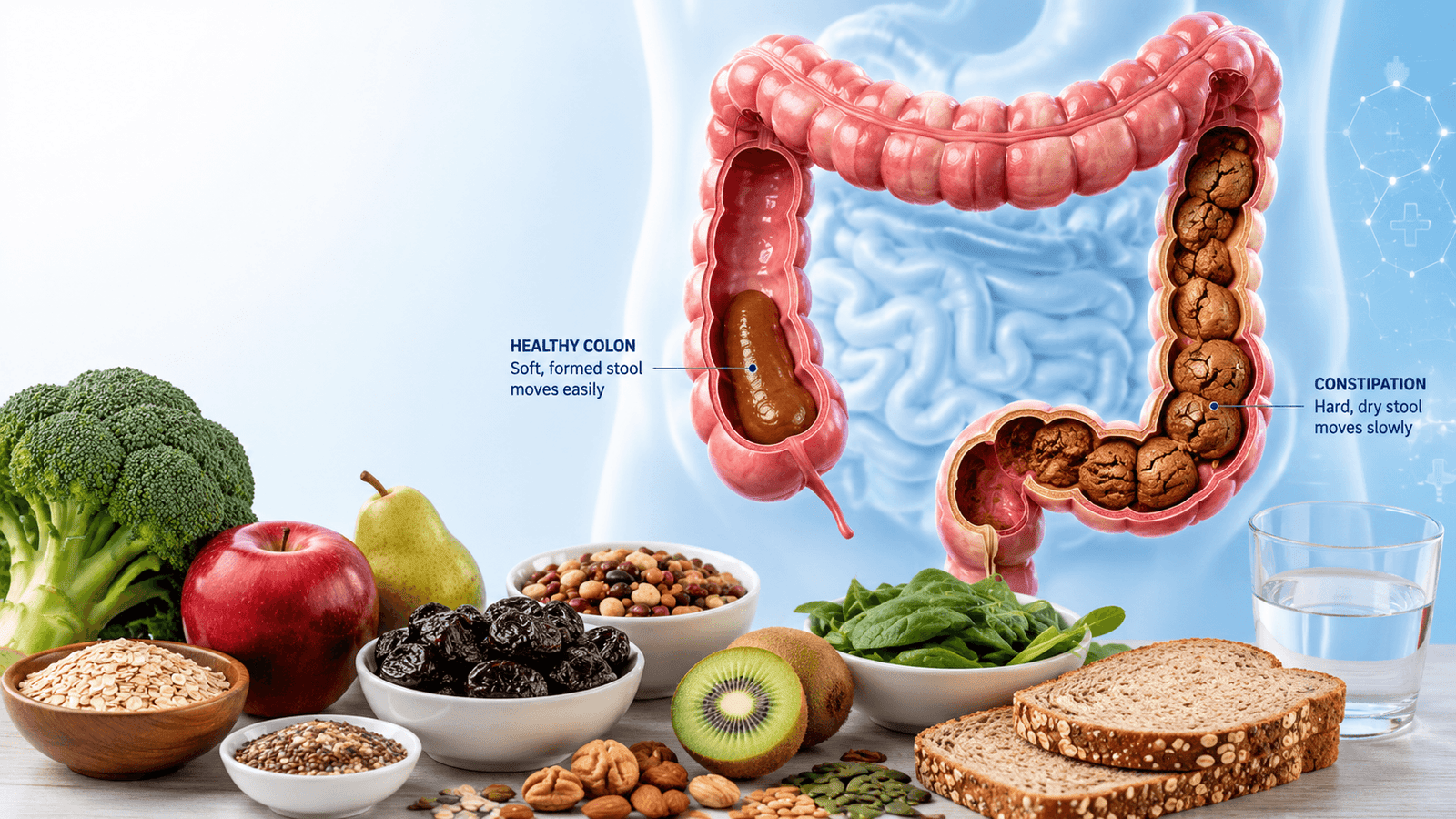
Constipation Relief: Natural Remedies and Prevention Tips

Constipation Relief: Natural Remedies and Prevention Tips

Constipation Relief: Natural Remedies and Prevention Tips

Constipation: Causes, Natural Remedies, and Prevention Tips from Experts

Struggling with constipation? You’re not alone. Constipation relief is essential for improving digestion and overall well-being. In this guide, we’ll explore natural remedies, lifestyle changes, and expert tips to help you find quick and lasting relief from this common issue. Whether you’re dealing with occasional discomfort or chronic constipation, the right approach can make a big difference.

What Is Constipation?

Constipation is defined as infrequent bowel movements (less than three per week) or difficulty in passing stools (e.g., straining, lumpy/ hard stools, pushing for more than 10 minutes, stool requiring digital evacuation or the sensation of incomplete evacuation). Constipation can be caused by diet, lifestyle, drugs, pregnancy, GI disorders and other medical conditions.

Constipation can develop for many reasons. Common causes include a low-fibre diet, inadequate fluid intake, lack of physical activity, changes in daily routine, pregnancy, certain medicines, and underlying medical conditions affecting the digestive system or nervous system.

When constipation persists for several weeks or longer without an identifiable underlying cause, it is known as chronic idiopathic constipation (CIC). The term idiopathic means that no specific medical cause has been found despite appropriate assessment.

Some people experience constipation alongside recurring abdominal pain or discomfort that improves after passing a bowel movement. This condition is known as irritable bowel syndrome with constipation (IBS-C), a subtype of irritable bowel syndrome (IBS) that affects both bowel habits and gut sensitivity.

Medical Conditions That Can Cause Constipation

Several health conditions can slow bowel movement or interfere with normal bowel function, increasing the risk of constipation. These include:

  • Irritable bowel syndrome with constipation (IBS-C)
  • Anal disorders, including anal fissures, fistulas, and rectal prolapse
  • Multiple sclerosis (MS)
  • Stroke (cerebrovascular disease)
  • Parkinson’s disease
  • Spinal cord tumours or spinal cord injuries
  • Diabetes mellitus
  • Hypothyroidism (underactive thyroid)

Treating the underlying medical condition often plays an important role in improving constipation. If constipation is persistent, severe, or associated with warning signs such as unexplained weight loss, rectal bleeding, severe abdominal pain, or a sudden change in bowel habits, medical assessment is recommended to identify the underlying cause and guide appropriate treatment.

According to Dr. Jane Doe, a gastroenterologist with over 20 years of experience, constipation is diagnosed when a person has fewer than three bowel movements per week, or when stools are hard, dry, and difficult to pass.

What Causes Constipation?

Constipation can stem from a variety of causes. Understanding these can help you pinpoint a solution more effectively:

  • Low Fiber Diet: Diets lacking in fruits, vegetables, and whole grains often cause constipation. Fiber helps bulk up and soften the stool.
  • Dehydration: Insufficient water intake makes stools dry and harder to pass.
  • Sedentary Lifestyle: Regular movement stimulates digestion. Sitting too much, whether at a desk job or traveling, can slow the digestive process.
  • Medications: Certain medications, including opioids, antacids, and antidepressants, can slow bowel movements.
  • Stress: Emotional stress and anxiety may interfere with the digestive process, making it harder to have regular bowel movements.
  • Underlying Medical Conditions: Conditions like hypothyroidism, diabetes, or irritable bowel syndrome (IBS) are often linked to constipation.
  • For more information –https://www.mayoclinic.org/diseases-conditions/constipation/symptoms-causes/syc-20354268

Immediate Relief: Natural Remedies for Constipation

If you’re experiencing constipation and looking for quick, natural relief, here are expert-approved remedies:

1. Increase Fiber Intake

Adding more dietary fiber to your meals can constipation relief. Aim for 25-30 grams per day. Foods like oatmeal, chia seeds, leafy greens, and whole grains help bulk up the stool and make it easier to pass. Consider a fiber supplement like psyllium husk for added support.

2. Stay Hydrated

Drinking 8-10 glasses of water a day softens the stool and aids digestion. Add hydrating foods like cucumbers and watermelon to your diet as well.

3. Prune Juice

Drinking prune juice or eating dried prunes can offer natural relief within hours. Prunes contain sorbitol, which acts as a natural laxative.

4. Exercise Regularly

Light exercises like a 30-minute walk or gentle yoga helps stimulate digestion and ease bowel movements.

5. Probiotic-Rich Foods

Add foods like yogurt, kefir, and sauerkraut to your diet. These contain probiotics that support gut health and improve bowel regularity.

6. Castor Oil

Taking a tablespoon of castor oil can stimulate bowel movements quickly, but it should be used with caution and under medical guidance, especially for chronic

constipation.

When to Seek Medical Help for Chronic Constipation

If constipation persists for more than two weeks, or if you experience severe symptoms like abdominal pain, blood in stools, or weight loss, consult a doctor. Chronic constipation can be a sign of a more serious condition like intestinal blockage or colon cancer.

Dr. Jane Doe advises considering a colonoscopy if you’re over 50 or have a family history of gastrointestinal diseases.

Constipation Relief Medications 

DrugDosingSafety / Side Effects / Monitoring
Bulk-Forming Drugs
Psyllium (Metamucil®, others)

Capsule, powder OTC

2.5–30 g/day in divided dosesCONTRAINDICATIONS

  • Fecal impaction and GI obstruction (psyllium)

SIDE EFFECTS:

  • Flatulence
  • abdominal cramping
  • bloating
  • bowel obstruction (if strictures present)
  • choking (if powder forms are not taken with enough liquid)

NOTES: Onset of action 12–72 hrs

  • Adequate fluids are required; use caution if fluid restricted (e.g., heart failure), if difficulty swallowing (e.g., Parkinson disease), or if at risk for fecal impactation (e.g., intestinal ulcerations, stenosis)
  • Psyllium modestly improves cholesterol and blood glucose levels
  • Calcium is a polyvalent cation; separate calcium polycarbophil from select drugs due to a binding interactionSugar-free options available
Calcium polycarbophil

(FiberCon®, others)

Caplet, chewable tabletOTC

1,250 mg 1–4 times/day
Methylcellulose (Citrucel®, others)

Caplet, powderOTC

1–6 g/day
Wheat dextrin (Benefiber®)

Tablet, chewable tablet, powderOTC

4 g (2 teaspoons) in 4–8 oz of liquid or soft food TID
DrugDosingSafety / Side Effects / Monitoring
Osmotics
Magnesium hydroxide (Milk of Magnesia®, others), magnesium citrate, magnesium sulfateChewable tablet, suspensionOTCMagnesium hydroxide:2.4–4.8 g QHS or in divided dosesCONTRAINDICATIONS:

  • Anuria (sorbitol)
  • low galactose diet (lactulose)
  • GI obstruction (MiraLax®)


SIDE EFFECTS:

  • Electrolyte imbalance
  • abdominal cramping
  • abdominal distention
  • flatulence
  • dehydration

rectal irritation (suppository)

NOTES

  • Onset of action 30 mins to 96 hrs (oral), 5–30 mins (rectal)
  • Magnesium-containing products: caution with renal impairment and do not use if severe renal impairment
  • Lactulose: used commonly for hepatic encephalopathy
  • Glycerin suppository: used commonly in children who need to defecate quickly.
Polyethylene glycol 3350 (MiraLax®, GaviLax®, GlycoLax®, others)PowderOTC17 g in 4–8 oz of water daily
Glycerin (Fleet Liquid Glycerin Supp®, Pedia-Lax®, others)Suppository: adult & pediatric sizesOTCPR: Insert 1 daily
Lactulose (Constulose®, Enulose®, Generic, Kristalose®)Crystal packet, solutionRxPO: 10–20 g dailyOral solution can be diluted and administered rectally
Sodium phosphates (Fleet Enema®, others) EnemaOTCPR: Insert contents of one 4.5 oz enema as a single dose
Sorbitol

Enema, oral solutionOTC

PO: 30–150 mL (70% solution) as a single dosePR (enema): 120 mL (25–30% solution)
DRUGDOSINGSAFETY / SIDE EFFECTS / MONITORING
Stimulants
Senna (Ex-Lax, Senokot, others)

Tablet, chewable tablet, liquid, syrup (OTC) + docusate (Senna S, Senokot S, Senna Plus)

17.2–50 mg daily–BIDWARNINGS:

  • Avoid use with stomach pain,
  • N/V or sudden change in bowel movements > 2 weeks

SIDE EFFECTS

  •  Abdominal cramping
  • electrolyte imbalance,
  • rectal irritation (suppository)

NOTES:

  • Onset 6–12 hrs (oral), 15–60 mins (rectal)
  • take at bedtime
  • may give 30 mins after meal
  • chronic opioid use often requires stimulant laxative
Bisacodyl (Dulcolax, others)

Enteric-coated tablet, suppository; enema (Fleet) (OTC)

PO: 5–15 mg daily (avoid within 1 hr of dairy/antacids) PR: 10 mg daily (cool if too soft)
Emollients (Stool Softeners)
Docusate sodium (Colace, others)

Docusate calcium, potassiumCapsule, tablet, enema, liquid (OTC)+ senna combinations

PO: 50–360 mg daily or divided doses PR (enema): 283 g/5 mL daily–TIDCONTRAINDICATIONS

  •  Abdominal pain
  • N/V, use with mineral oil,
  • OTC use > 1 week

SIDE EFFECTS

  • Abdominal cramping
  • throat irritation (liquid)

NOTES: Onset 12–72 hrs (oral), 2–15 mins (rectal);

  • preferred when straining avoided (postpartum, post-MI, fissures, hemorrhoids)
  • use for hard/dry stool; avoid with mineral oil
Lubricants
Mineral oil Oral liquid, enema (OTC)PO: 15–45 mL daily or divided doses PR (enema): 118 mL single doseCONTRAINDICATIONS

  •  Age <6 years
  • pregnancy
  • elderly,
  • bedridden
  • swallowing difficulty
  • use > 1 week

SIDE EFFECTS:

  • Abdominal cramping
  • nausea
  • incontinence
  • rectal discharge

NOTES:

  • Onset 6–8 hrs (oral), 2–15 mins (rectal)
  • oral form not recommended (aspiration risk, lipid pneumonitis)
  • separate multivitamins (fat-soluble vitamin malabsorption)
  • avoid with docusate

OTHER DRUGS USED FOR CONSTIPATION

Prescription medications can be used if constipation is not relieved with OTC drugs or lifestyle modifications.

DRUGDOSINGSAFETY / SIDE EFFECTS / MONITORING
Chloride Channel Activator – Act on chloride channels in the gut → ↑ intestinal fluid secretion and ↑ peristalsis.
Lubiprostone (Amitiza)
Capsule
Indication: CIC, OIC, IBS-C (adult women)
CIC & OIC: 24 mcg BID
IBS-C: 8 mcg BID
↓ dose in moderate–severe hepatic impairment
CONTRAINDICATIONS: Mechanical bowel obstruction

SIDE EFFECTS: Nausea, diarrhea, abdominal pain, abdominal distension, headache

NOTES: Take with food and water to reduce nausea; consider alternative with methadone (↓ effect of lubiprostone)

Guanylate Cyclase C Agonists – ↑ chloride and bicarbonate secretion into the intestinal lumen → ↑ GI transit speed and ↓ abdominal pain.
Linaclotide (Linzess)
Capsule
Indication: CIC, IBS-C
CIC: 145 mcg daily
IBS-C: 290 mcg daily
Take ≥30 mins before breakfast on empty stomach
BOXED WARNING: Avoid in pediatric patients (risk of severe dehydration)

CONTRAINDICATIONS: Age <6 years, mechanical GI obstruction

SIDE EFFECTS: Diarrhea, abdominal pain, flatulence

NOTES: Linaclotide capsules can be opened and mixed with applesauce/water (swallow immediately)

Trulance tablets can be crushed

Plecanatide (Trulance)
Tablet
Indication: CIC, IBS-C
3 mg daily
Peripherally-Acting Mu-Opioid Receptor Antagonists (PAMORAs)-  Act on μ-opioid receptors in the GI tract → ↓ opioid-induced constipation without affecting analgesia.
Alvimopan (Entereg)
Capsule
Indication: Post-operative ileus (hospital use)
12 mg 30 min–5 hrs before surgery, then 12 mg BID up to 7 days (max 15 doses)BOXED WARNING: ↑ risk of MI with long-term use; restricted (REMS program)

CONTRAINDICATIONS: Use of opioids >7 consecutive days prior

SIDE EFFECTS: Dyspepsia

Methylnaltrexone (Relistor)
Naloxegol (Movantik)
Naldemedine (Symproic)
NOTES: Used only in patients taking opioids with OIC
Serotonin 5-HT4 Receptor Agonist – ↑ acetylcholine release → ↑ intestinal muscle contractions and motility.
Prucalopride (Motegrity)

TabletIndication: CIC (off-label for OIC)

CIC: 2 mg daily CrCl < 30 mL/min: 1 mg daily Avoid use in ESRD with HDCONTRAINDICATIONS: Gastrointestinal obstruction, bowel perforation, ileus, severe inflammatory conditions of GI tract (Crohn’s disease, ulcerative colitis, toxic megacolon)

WARNINGS: Suicidal ideation

SIDE EFFECTS: Diarrhea, headache, nausea, abdominal pain

MONITORING: Worsening depression or emergence of suicidal thoughts; rectal bleeding, blood in stool, severe abdominal pain

Prescription Drugs by Indication 

DRUGCICIBS-COpioid Induced ConstipatinSURGERY
LubiprostoneXX*X
Linaclotide / PlecanatideXX
AlvimopanX
Methylnaltrexone / Naloxegol / NaldemedineX
PrucaloprideX

*IBS-C indication: adult women only

LAXATIVES USED FOR WHOLE BOWEL IRRIGATION (WBI)

Several laxatives are specifically designed to prep the bowel before a colonoscopy. Some contain the same active ingredients as constipation treatments (e.g., PEG in MiraLax vs GoLYTELY for bowel prep). Although generally safe and well tolerated, these agents can cause fluid and electrolyte losses, which may be serious in some patients. Extra caution is required in patients with cardiovascular disease, renal insufficiency, or those taking loop diuretics or NSAIDs.

DRUGDOSINGSAFETY / SIDE EFFECTS / MONITORING
Polyethylene glycol–electrolyte solution
(Colyte, GoLYTELY, NuLytely, Gavilyte-G, Gavilyte-N, MoviPrep, Plenvu)
Drink 240 mL every 10 min until 4 L consumed

MoviPrep: Evening before: 240 mL every 15 min until 1 L, then 480 mL clear liquid; repeat in morning

Plenvu: Evening before: 480 mL over 30 min, then 480 mL clear liquid over 30 min; repeat in morning

BOXED WARNING:

  • OsmoPrep → nephropathy

CONTRAINDICATIONS:

  • Ileus, GI obstruction, gastric retention, bowel perforation, toxic colitis, toxic megacolon
  • OsmoPrep: acute phosphate nephropathy; gastric bypass/stapling surgery
  • Clenpiq: severe renal impairment

WARNINGS:

  • Arrhythmias
  • Electrolyte abnormalities
  • Seizures

SIDE EFFECTS

  •  Abdominal discomfort
  • Bloating
  • Nausea/vomiting

NOTES

Onset – 1–6 hours

Bowel Prep Strategy – Requires dosing evening before + morning of colonoscopy

Allowed Diet (Day Before)  – Water, clear broth, pulp-free juices (apple, white cranberry, white grape, lemonade), soda, coffee/tea (no milk/cream), clear gelatin, popsicles (no fruit pieces)

Avoid – Solid/semi-solid foods, red/blue/purple coloring, milk/cream, tomato/orange/grapefruit juice, alcohol, cream soups

Sodium phosphates

(OsmoPrep)

4 tablets with 8 oz clear liquid every 15 min (5 doses evening before, 3 doses 3–5 hr before procedure)
Sodium sulfate + potassium sulfate + magnesium sulfate

(Suprep Bowel Prep Kit)

Evening before: 480 mL, then 960 mL clear liquid over 1 hr; repeat in morning
Sodium picosulfate + magnesium oxide + citric acid

(Clenpiq)
(stimulant + osmotic combo)

Evening before: 160 mL; repeat 5 hr before procedure

Prevention: Long-Term Strategies to Avoid Constipation 

1. Balanced Diet
Eating a diet rich in fiber and hydrating foods is one of the best long-term prevention strategies. Include foods like apples, beans, lentils, and whole grains in your meals.

  • According to a 2022 study published in the American Journal of Gastroenterology, around 16% of adults worldwide experience constipation at some point in their lives, with women and the elderly being more affected. The study emphasized the role of dietary fiber in managing and preventing constipation, suggesting that a 25-30 gram daily fiber intake significantly improves bowel regularity.
  • Another study from 2021 shows that probiotics (specifically strains like Bifidobacterium and Lactobacillus) can reduce constipation by improving gut health and supporting regular bowel movements.

2. Regular Physical Activity
Incorporate moderate exercises like walking, swimming, or yoga into your daily routine to keep your digestive system active.

3. Establish a Bathroom Routine

Going to the bathroom at the same time every day, especially after meals, helps regulate bowel movements. Don’t ignore the urge to go when you feel it.

4. Stay Hydrated
Drinking water throughout the day helps maintain softer stools. You should aim for 8 glasses daily, but increase this if you live in a hot climate or exercise often.

5. Avoid Processed Foods
Foods high in refined sugars and fats can worsen constipation. Reduce intake of fast food, chips, and baked goods.

Natural Supplements for Constipation

If lifestyle changes aren’t enough, several natural supplements may help:

  • Psyllium Husk: A natural fiber that bulks up stools and eases bowel movements.
  • Magnesium Citrate: A mineral that helps relax the intestines and draws water into the colon.
  • Aloe Vera Juice: Known for its soothing properties, aloe vera juice can also act as a mild laxative.

FAQs About Constipation Relief

What is constipation?

Constipation is a common digestive problem where bowel movements become less frequent than usual, stools become hard or difficult to pass, or there is a feeling that the bowel has not completely emptied. Although bowel habits vary between individuals, constipation is generally described as passing fewer than three stools per week, having hard stools, straining during bowel movements, or needing extra effort to pass stool.

Constipation occurs when stool moves too slowly through the large intestine (colon), allowing more water to be absorbed and making the stool harder. Common causes include a low-fibre diet, inadequate fluid intake, lack of physical activity, changes in routine, stress, and certain medicines such as opioid painkillers, iron supplements, and some antacids.

Most cases of constipation are temporary and improve with lifestyle changes, but persistent or severe constipation may require medical assessment.

What is the definition of stool?

Stool, also known as faeces or bowel motion, is the waste material produced by the digestive system after food has been broken down and nutrients have been absorbed. Stool contains undigested food components, water, bacteria, mucus, and substances removed from the body.

The consistency, colour, and frequency of stool can vary depending on diet, hydration, medications, and overall health. A healthy stool is usually soft, formed, and easy to pass. The Bristol Stool Form Scale is commonly used by healthcare professionals to describe stool appearance, with types 3 and 4 generally considered normal.

Hard, dry, pellet-like stools may indicate constipation, while loose or watery stools may suggest diarrhoea.

Changes in stool that are persistent, unexplained, or associated with symptoms such as bleeding, weight loss, or abdominal pain should be discussed with a healthcare professional.

Constipation symptoms

The symptoms of constipation can vary between people but commonly include:

  • Passing fewer bowel movements than usual
  • Hard, dry, or lumpy stools
  • Straining when opening the bowels
  • Feeling that the bowel has not completely emptied
  • Spending a long time on the toilet
  • Needing to press on the abdomen or use manual techniques to pass stool
  • Abdominal discomfort, bloating, or cramps
  • Reduced appetite in some cases

Some people may experience constipation even if they pass stools regularly, particularly if the stool is difficult to pass or there is a sensation of incomplete emptying.

Occasional constipation is common and often improves with increasing fibre intake, drinking enough fluids, and staying physically active. However, ongoing symptoms may indicate chronic constipation and should be assessed.

Severe constipation

Severe constipation occurs when bowel movements become extremely difficult or painful, and stool may become impacted inside the bowel. Faecal impaction happens when a large, hard mass of stool becomes stuck in the rectum or colon and cannot be passed normally.

Severe constipation may develop due to prolonged constipation, dehydration, reduced mobility, certain medications, or medical conditions affecting bowel movement.

Symptoms may include significant abdominal discomfort, inability to pass stool or gas, severe bloating, nausea, and reduced appetite. In some cases, liquid stool may leak around impacted stool, which can be mistaken for diarrhoea.

Severe constipation should not be ignored, especially if symptoms appear suddenly or are accompanied by warning signs such as vomiting, severe abdominal pain, or blood in the stool.

Severe constipation symptoms

Symptoms of severe constipation may include:

  • No bowel movement for several days despite needing to pass stool
  • Severe difficulty or pain when trying to open the bowels
  • Hard, impacted stool that is difficult to pass
  • Severe abdominal pain or swelling
  • Feeling of fullness or pressure in the rectum
  • Nausea or vomiting
  • Loss of appetite
  • Inability to pass gas
  • Leakage of liquid stool around impacted faeces

Severe constipation can sometimes lead to complications such as faecal impaction, haemorrhoids, or small tears around the anus (anal fissures).

Seek urgent medical advice if constipation is associated with severe abdominal pain, persistent vomiting, unexplained weight loss, rectal bleeding, fever, or a sudden change in bowel habits, particularly in older adults.

Constipation danger signs

Although constipation is usually harmless, certain symptoms may indicate a more serious underlying condition and require medical assessment.

Seek medical advice if you experience:

  • Blood in the stool or rectal bleeding
  • Unexplained weight loss
  • Persistent abdominal pain
  • A sudden change in bowel habits
  • Vomiting or inability to keep fluids down
  • Severe bloating with inability to pass gas
  • Fever or signs of infection
  • New constipation developing after age 50
  • Family history of bowel cancer or inflammatory bowel disease

These symptoms do not always mean there is a serious problem, but they should be checked to rule out conditions such as bowel obstruction, inflammatory bowel disease, or colorectal cancer.

Early assessment can help identify the cause and ensure appropriate treatment.

How to Relieve Constipation on the Toilet Immediately

If you are currently struggling on the toilet, try these immediate physical adjustments:
  • Use a Squatting Position: Elevate your knees above your hips by placing your feet on a small stool or step. This straightens the anorectal angle, creating a clear, direct path for the stool. [1, 2, 3, 4, 5]
  • Lean Forward: Keep your spine straight and lean forward, resting your elbows on your knees to align the pelvis. [1, 2, 3, 4, 5]
  • Bulge Your Abdomen: Take deep, slow diaphragmatic breaths. Expand your belly outward as you gently push using your abdominal muscles rather than forcefully straining your rectum. [1, 2, 3, 4, 5]
  • Relax the Jaw: Keep your mouth open slightly and relax your face; tight jaw muscles often mirror tension in the pelvic floor

    Home Remedies and Lifestyle Changes

    To get things moving quickly at home, implement these strategies:
    • Hydrate with Hot Fluids: Drink a large glass of warm water, black coffee, or herbal tea. Hot and caffeinated liquids naturally stimulate gut motility and trigger a bowel contraction.
    • Increase Physical Activity: A brisk 15-minute walk or gentle core twists can mechanically stimulate your intestines to move waste forward.
    • Optimize Breakfast with Yogurt: Incorporating Greek yogurt into your breakfast can improve gut health. It contains live probiotics (beneficial bacteria) that regulate gut transit time and soften stool. Note: While yogurt helps constipation, it is also safe for mild diarrhea because it replenishes normal gut flora. [1, 2, 3, 4, 5]

      Rich fiber foods Foods for constipation to Include (and What to Avoid)

      A balanced daily intake of 20 to 35 grams of fiber is recommended for long-term regularity. Always increase your fiber intake gradually while drinking plenty of water to avoid gas and bloating. [1, 2, 3]
      • High-Fiber Fruits: Prunes, apples (with skin), pears, berries, figs, and kiwi.
      • High-Fiber Vegetables: Broccoli, Brussels sprouts, carrots, artichokes, and dark leafy greens (spinach, kale).
      • Legumes and Grains: Lentils, chickpeas, chia seeds, flaxseeds, oats, and whole-grain cereals.
      • Foods to Limit: White bread and processed grains. They are low in fiber and can significantly slow down digestion, making constipation worse. Opt for 100% whole-wheat or rye alternatives instead. [1, 2, 3, 4, 5]

Magnesium glycinate

Magnesium glycinate is a dietary supplement that contains magnesium combined with the amino acid glycine. This form of magnesium is often used because it is generally well absorbed and may be gentler on the stomach compared with some other magnesium supplements.

Magnesium plays an important role in many body functions, including muscle function, nerve signalling, energy production, and maintaining normal electrolyte balance.

Unlike magnesium citrate, magnesium glycinate is not commonly used as a laxative because it has a lower osmotic effect in the bowel. It is usually chosen for magnesium supplementation, relaxation, and supporting normal muscle and nerve function rather than treating constipation.

People considering magnesium supplements should check with a healthcare professional if they have kidney disease or take medicines that may interact with magnesium.

Does magnesium glycinate help with constipation?

Magnesium glycinate is not considered one of the best magnesium supplements for constipation relief. Although magnesium is involved in muscle function and fluid balance, magnesium glycinate generally does not draw enough water into the bowel to produce a significant laxative effect.

Magnesium forms that are more commonly used for constipation include magnesium hydroxide and magnesium citrate, which work as osmotic laxatives. They increase water content in the intestine, helping soften stools and making them easier to pass.

If constipation is caused by low fibre intake, dehydration, medicines, or reduced bowel movement, addressing the underlying cause is usually more effective than taking magnesium glycinate.

People with kidney problems should avoid magnesium supplements unless advised by a healthcare professional because magnesium can accumulate when kidney function is reduced.

Magnesium glycinate benefits

Magnesium glycinate may provide several potential benefits because magnesium is an essential mineral involved in hundreds of biochemical reactions in the body.

Possible benefits include:

  • Supporting normal muscle function
  • Maintaining healthy nerve function
  • Contributing to normal energy metabolism
  • Supporting normal electrolyte balance
  • Helping maintain normal psychological function when magnesium intake is adequate

The glycine component is an amino acid that has calming properties and is involved in neurotransmitter activity. Some people use magnesium glycinate in the evening because they find it helps them relax.

However, magnesium supplements are unlikely to provide additional benefits if a person already consumes enough magnesium through their diet.

Good dietary sources of magnesium include:

  • Nuts and seeds
  • Whole grains
  • Leafy green vegetables
  • Beans and lentils

Does magnesium glycinate help with sleep?

Magnesium glycinate may help some people with sleep quality, particularly if they have low magnesium intake, stress-related sleep difficulties, or magnesium deficiency.

Magnesium is involved in regulating the nervous system and may influence pathways involved in relaxation and sleep regulation. The glycine component of magnesium glycinate may also have calming effects because glycine acts as an inhibitory neurotransmitter in the central nervous system.

However, evidence that magnesium supplements significantly improve sleep in the general population is still limited. Magnesium glycinate should not be considered a replacement for good sleep habits or treatment for diagnosed sleep disorders.

Good sleep practices remain important, including:

  • Maintaining a regular sleep schedule
  • Limiting caffeine late in the day
  • Reducing screen exposure before bedtime
  • Creating a relaxing bedtime routine

Immediate constipation relief

Immediate constipation relief depends on the cause and severity of constipation. While there is no guaranteed instant cure, several measures can help stimulate bowel movement and make passing stool easier.

Simple approaches that may provide quick relief include:

  • Drinking enough water, especially if dehydration is contributing to hard stools
  • Taking a short walk or doing gentle physical activity to encourage bowel movement
  • Sitting on the toilet after meals, as the natural gastrocolic reflex can stimulate the bowel
  • Using a footstool to raise the knees above hip level, which can improve the position for passing stool
  • Increasing dietary fibre gradually if constipation is related to low fibre intake

For faster relief, some laxatives may work within hours. Stimulant laxatives such as bisacodyl or senna can stimulate bowel contractions, while osmotic laxatives such as macrogol (for example, Laxido®) draw water into the bowel to soften stool. The choice depends on the cause and individual circumstances.

Avoid repeated use of strong laxatives without medical advice, especially if constipation is persistent.

Immediate constipation relief at home

For mild constipation, several home measures may help relieve symptoms naturally:

1. Increase fluid intake

Drinking enough fluids helps prevent stools becoming dry and hard. Water is usually the best choice, particularly if fibre intake is increased.

2. Eat fibre-rich foods

Foods such as fruits, vegetables, whole grains, beans, lentils, and psyllium husk can help increase stool bulk and improve bowel regularity.

3. Gentle movement

Walking and regular physical activity can stimulate bowel activity and reduce constipation.

4. Improve toilet posture

Using a small footstool under your feet can place your body in a more natural squatting position, helping the rectum empty more easily.

5. Try a warm drink

A warm drink may stimulate the gastrocolic reflex in some people, encouraging bowel movement.

If constipation does not improve after lifestyle changes, or if symptoms are severe, a pharmacist or healthcare professional can recommend an appropriate laxative.

How to relieve constipation on the toilet immediately

Although constipation cannot always be relieved instantly while sitting on the toilet, improving your position and technique can make passing stool easier.

Try the following:

  • Place your feet on a small step or footstool so your knees are higher than your hips
  • Lean slightly forward with your elbows resting on your knees
  • Relax your abdominal muscles and avoid excessive straining
  • Take slow, deep breaths rather than holding your breath
  • Allow enough time for a bowel movement without forcing it

Avoid sitting on the toilet for long periods or repeatedly straining, as this may increase the risk of haemorrhoids and anal discomfort.

If stool feels stuck in the rectum, a pharmacist may recommend treatments such as glycerol suppositories or micro-enemas in appropriate situations.

Relieve constipation fast

The fastest way to relieve constipation depends on what is causing it. For occasional constipation, treatments that may work relatively quickly include:

  • Stimulant laxatives (such as senna or bisacodyl): often work within 6–12 hours
  • Glycerol suppositories: may work within a short period when stool is present in the rectum
  • Osmotic laxatives (such as macrogol): soften stool by increasing water content and may take longer to work

Lifestyle measures can also support faster relief:

  • Drink sufficient fluids
  • Increase fibre intake gradually
  • Stay physically active
  • Respond to the urge to pass stool rather than delaying it

The best option depends on whether constipation is caused by diet, medication, dehydration, slow bowel movement, or another condition.

How to relieve constipation pain

Constipation pain is often caused by hard stool stretching the bowel, trapped gas, bloating, or straining during bowel movements.

Ways to relieve discomfort include:

  • Increasing fluid intake if dehydration is contributing
  • Using gentle exercise such as walking to encourage bowel movement
  • Applying a warm heat pad to the abdomen to relax muscles and ease cramps
  • Increasing fibre gradually to soften stools
  • Using an appropriate laxative if lifestyle changes are not enough

If constipation causes anal pain due to hard stools, treatments such as stool softeners, lubricating treatments, or pharmacist-recommended products may help reduce discomfort.

Avoid excessive straining, as this can worsen pain and may contribute to haemorrhoids or anal fissures.

Seek medical advice if constipation pain is severe, persistent, or associated with vomiting, fever, blood in stool, or inability to pass gas.

Constipation remedies

Constipation remedies usually involve a combination of lifestyle changes, dietary adjustments, and, when needed, medicines.

Common effective remedies include:

Fibre-rich foods

Increasing fibre from fruits, vegetables, whole grains, pulses, and psyllium husk can improve stool consistency.

Adequate fluids

Drinking enough fluids helps fibre work effectively and prevents hard stools.

Regular exercise

Physical activity stimulates bowel movement and supports healthy digestion.

Toilet routine

Going to the toilet when you feel the urge and maintaining good posture can prevent constipation.

Laxatives when needed

Different laxatives work in different ways:

  • Bulk-forming laxatives increase stool volume
  • Osmotic laxatives soften stool by drawing water into the bowel
  • Stimulant laxatives increase bowel movement activity

If constipation lasts several weeks, keeps returning, or requires frequent laxative use, medical advice should be sought.

Rich fiber foods

Rich fibre foods are foods that contain a high amount of dietary fibre, which helps support regular bowel movements and improves stool consistency. Fibre adds bulk to stool and helps it move more easily through the digestive system.

Good sources of fibre include:

Whole grains

  • Oats
  • Wholemeal bread
  • Brown rice
  • Wholegrain cereals
  • Barley

Pulses and legumes

  • Lentils
  • Chickpeas
  • Beans
  • Peas

Fruits

  • Apples (with skin)
  • Pears
  • Berries
  • Prunes
  • Oranges
  • Kiwifruit

Vegetables

  • Broccoli
  • Carrots
  • Sweet potatoes
  • Green peas
  • Brussels sprouts

Adults are generally advised to aim for around 30 grams of fibre daily. However, fibre should be increased gradually, as suddenly eating large amounts may cause bloating and abdominal discomfort.

Adequate fluid intake is important when increasing fibre because fibre absorbs water and works best when the body is well hydrated.

High-fiber fruits

High-fibre fruits can help relieve constipation by increasing stool bulk, improving stool softness, and supporting healthy bowel movement.

Some of the best high-fibre fruits include:

FruitFibre content (approximate)
Pear (with skin)~5–6 g per medium fruit
Apple (with skin)~4 g per medium fruit
Raspberries~6–8 g per cup
Blackberries~7–8 g per cup
Prunes~6–7 g per 100 g
Kiwifruit~2–3 g per fruit
Orange~3–4 g per fruit

Prunes are particularly well studied for constipation because they contain fibre and sorbitol, a naturally occurring sugar alcohol that can draw water into the bowel and help soften stool.

Increasing fruit intake gradually and drinking enough fluids can maximise the benefits of dietary fibre.

High-fiber vegetables

High-fibre vegetables can help prevent and manage constipation by increasing stool volume and supporting normal bowel function.

Examples of fibre-rich vegetables include:

  • Green peas
  • Broccoli
  • Brussels sprouts
  • Carrots
  • Sweet potatoes (with skin)
  • Spinach
  • Kale
  • Artichokes
  • Cauliflower
  • Beans and pulses

Vegetables contain both soluble and insoluble fibre. Insoluble fibre adds bulk to stool and helps it pass through the bowel, while soluble fibre absorbs water and forms a gel-like substance that can soften stool.

For best results, increase vegetable intake gradually and include a variety of different coloured vegetables in your meals.

People with certain bowel conditions, such as irritable bowel syndrome (IBS), may need personalised advice because some high-fibre foods can worsen bloating in sensitive individuals.

Soluble fiber

Soluble fibre is a type of dietary fibre that dissolves in water and forms a gel-like substance in the digestive system. This helps soften stool and can make bowel movements easier.

Common sources of soluble fibre include:

  • Psyllium husk
  • Oats
  • Barley
  • Beans
  • Lentils
  • Apples
  • Citrus fruits
  • Chia seeds

Psyllium is one of the most commonly recommended soluble fibres for constipation because it increases stool moisture and improves stool consistency.

When taking soluble fibre supplements, it is important to drink enough water. Without adequate fluid intake, fibre supplements may worsen constipation or cause abdominal discomfort.

Soluble fibre is different from insoluble fibre, which mainly increases stool bulk and helps speed up movement through the digestive tract.

Is bread good for constipation?

The effect of bread on constipation depends on the type of bread. Wholemeal and wholegrain breads can help constipation because they contain more dietary fibre compared with white bread.

Wholegrain bread contains the outer layers of the grain, which provide fibre that increases stool bulk and supports bowel movement.

White bread contains less fibre because much of the grain has been removed during processing. Eating large amounts of low-fibre foods, including refined white bread, may contribute to constipation in some people.

For constipation management, choose:

  • Wholemeal bread
  • Wholegrain bread
  • Seeded bread
  • High-fibre breads

Increasing fibre intake should be combined with drinking enough fluids, as fibre requires water to work effectively.

Does yogurt help with constipation?

Yoghurt may help some people with constipation, particularly when it contains live bacterial cultures (probiotics). These beneficial bacteria may support a healthier gut microbiome and improve bowel regularity in some individuals.

Certain probiotic strains, including some strains of Bifidobacterium, have been studied for their potential benefits in constipation by improving stool frequency and consistency.

However, yoghurt alone is unlikely to provide immediate constipation relief. It works best as part of a balanced diet that includes fibre-rich foods, fluids, and regular physical activity.

Choosing plain yoghurt with live cultures and combining it with high-fibre foods such as berries, oats, or chia seeds may provide additional benefits.

People with lactose intolerance should choose lactose-free yoghurt or alternatives if dairy products worsen symptoms.

Is Greek yogurt good for constipation?

Greek yoghurt can be a healthy addition to the diet, but it does not directly treat constipation by itself. It contains protein and may contain live cultures that support gut health.

Greek yoghurt can be more helpful for constipation when combined with fibre-rich foods, such as:

  • Berries
  • Flaxseeds
  • Chia seeds
  • Oats
  • Psyllium husk

The fibre from these foods helps increase stool bulk, while probiotic cultures in yoghurt may support normal bowel function.

Choose Greek yoghurt with live cultures and avoid varieties that are very high in added sugar. If dairy products cause bloating or discomfort, a lactose-free option may be more suitable.

Is yogurt good for breakfast?

Yes, yoghurt can be a nutritious breakfast choice because it provides protein, calcium, and, in some varieties, beneficial bacteria.

For a constipation-friendly breakfast, combine yoghurt with fibre-rich foods such as:

  • Oats or wholegrain cereals
  • Berries
  • Nuts and seeds
  • Chia seeds
  • Flaxseed

Greek yoghurt is particularly high in protein, which may help increase fullness and support a balanced diet.

However, yoghurt alone may not provide enough fibre to prevent constipation. A healthy breakfast should include a combination of fibre, fluids, and nutrients.

Choose plain or low-sugar yoghurt where possible, as high amounts of added sugar may negatively affect overall dietary quality.

Is yogurt good for diarrhea?

Yoghurt may help some people with diarrhoea, particularly if it contains live probiotic cultures. Probiotics can help restore the balance of beneficial bacteria in the gut, especially after antibiotic-associated diarrhoea.

However, yoghurt is not suitable for everyone with diarrhoea. Some people may temporarily develop lactose intolerance during or after a diarrhoeal illness, making dairy products worsen symptoms.

For diarrhoea:

  • Choose yoghurt with live cultures if tolerated
  • Maintain fluid intake to prevent dehydration
  • Seek medical advice if diarrhoea is severe, persistent, bloody, or associated with fever

Children, older adults, and people with weakened immune systems may need earlier medical assessment.

How do laxatives work?

Laxatives help relieve constipation by making bowel movements easier to pass. Depending on the type, they may soften hard stools, increase stool bulk, draw water into the bowel, lubricate the stool, or stimulate the muscles of the digestive tract to move stool through the colon more quickly. While laxatives can be very effective, they work best when combined with a healthy diet, adequate fluid intake, and regular physical activity.

What are the most common side effects of laxatives?

Most laxatives are well tolerated when used correctly. However, because they increase bowel activity or soften stools, the most common side effects are:

  • Diarrhoea
  • Abdominal cramping
  • Bloating
  • Excessive gas
  • Mild stomach discomfort

These side effects are usually temporary and often improve after adjusting the dose or stopping the treatment.

What are bulk-forming laxatives?

Bulk-forming laxatives are usually the first-choice treatment for constipation. They contain soluble fibre, such as psyllium (ispaghula husk), which absorbs water inside the intestine.

As the fibre absorbs water, it increases the size and moisture content of the stool, making it softer and easier to pass. The larger stool also stretches the bowel wall, which naturally stimulates bowel contractions (peristalsis) and reduces the time stool remains in the colon.

Bulk-forming laxatives work gradually and may take several days to achieve their full effect.

Common examples include:

  • Psyllium (ispaghula husk)
  • Fybogel®

Why are bulk-forming laxatives recommended first?

Bulk-forming laxatives are recommended as the first-line treatment because they closely mimic the effects of increasing fibre through diet. They improve stool consistency naturally, support normal bowel function, and are suitable for long-term use in many people.

They are also considered the treatment of choice during pregnancy, provided they are taken with plenty of fluids.

Are bulk-forming laxatives safe during pregnancy?

Yes. Bulk-forming laxatives are generally considered the preferred laxative during pregnancy because they work inside the bowel without being absorbed into the bloodstream.

They increase stool bulk by absorbing water, helping stools pass more comfortably while avoiding unnecessary stimulation of the bowel.

Pregnant women should also increase dietary fibre, drink enough water, and remain physically active whenever possible.

What are osmotic laxatives?

Osmotic laxatives contain substances that are poorly absorbed by the intestine, such as polyethylene glycol (PEG) or macrogol.

Because these substances remain inside the bowel, they attract water into the intestinal lumen through osmosis. The extra water softens hard stools, expands the colon slightly, and stimulates bowel contractions, making stools easier to pass.

Osmotic laxatives are particularly useful when stools are dry, hard, or difficult to pass.

Examples include:

  • Polyethylene glycol (PEG)
  • Macrogol
  • Laxido®
  • Movicol®

How does polyethylene glycol (PEG) work for constipation?

Polyethylene glycol (PEG), also called macrogol, is an osmotic laxative that works by holding water inside the bowel.

This extra water softens stool, increases stool volume, gently stretches the colon, and stimulates natural bowel movement without directly irritating the bowel muscles.

PEG is widely used for both chronic constipation and faecal impaction because it is effective and generally well tolerated.

What are stimulant laxatives?

Stimulant laxatives work differently from bulk-forming and osmotic laxatives. Instead of increasing water content, they directly stimulate the nerves in the colon, causing the bowel muscles to contract more frequently and move stool through the intestine.

They usually work faster than bulk-forming laxatives and are often used when constipation has not responded to other treatments.

Common stimulant laxatives include:

  • Senna
  • Bisacodyl

Why are stimulant laxatives recommended for opioid-induced constipation?

Opioid painkillers commonly cause constipation because they slow bowel movement by reducing normal intestinal contractions (peristalsis). As stool remains in the colon for longer, more water is absorbed, making the stool harder and more difficult to pass.

For this reason, people taking long-term opioid medicines often require a stimulant laxative to restore bowel movement.

If the stool is also hard, a stool softener such as docusate may be added alongside the stimulant laxative.

However, if the stool is not hard but the bowel simply is not moving effectively, a stimulant laxative alone is usually sufficient.

What are stool softeners?

Stool softeners are medicines that make hard stools easier to pass by allowing water and fat to mix more easily with the stool.

They reduce the surface tension between stool and water, helping moisture penetrate the stool and making it softer without directly stimulating bowel movement.

Because they soften the faecal mass, they reduce straining during bowel movements.

The most commonly used stool softener is:

  • Docusate sodium

When are stool softeners used?

Stool softeners are particularly useful when constipation is caused by hard, dry stools.

They are commonly recommended for people:

  • Taking iron supplements
  • Recovering after surgery
  • Who should avoid excessive straining
  • With painful bowel movements caused by hard stools

Iron tablets commonly make stools harder and more compact, making stool softeners a useful treatment option.

What are lubricant laxatives?

Lubricant laxatives help stools pass more easily by coating both the bowel lining and the stool with a waterproof film.

This coating helps keep moisture inside the stool, preventing it from becoming dry and hard while reducing friction as it moves through the intestine.

Unlike stimulant laxatives, lubricant laxatives do not stimulate bowel contractions. Instead, they make defecation easier by improving stool lubrication.

A commonly known lubricant laxative is:

  • Mineral oil (liquid paraffin)

Which type of laxative is best?

The most suitable laxative depends on the cause of constipation.

  • Bulk-forming laxatives are usually the first choice for most adults and during pregnancy.
  • Osmotic laxatives are helpful for hard, dry stools because they draw water into the bowel.
  • Stimulant laxatives are useful when the bowel muscles need extra stimulation, particularly in opioid-induced constipation.
  • Stool softeners are best when stools are hard and difficult to pass.
  • Lubricant laxatives help retain moisture and reduce friction during bowel movements.

A healthcare professional can recommend the most appropriate treatment based on your symptoms, medical history, and any medicines you are taking.

Can laxatives make you nauseous?

Yes, laxatives can sometimes cause nausea, although it is not experienced by everyone. Nausea may occur because laxatives increase bowel activity, draw water into the intestine, or stimulate intestinal contractions.

Osmotic laxatives, such as macrogol (PEG), may cause nausea due to increased fluid movement and bloating in the bowel, especially when starting treatment. Stimulant laxatives, such as senna and bisacodyl, may also cause stomach discomfort or cramping that can contribute to feelings of nausea.

To reduce the risk of nausea:

  • Take laxatives exactly as directed
  • Drink enough fluids, especially with bulk-forming laxatives
  • Avoid taking more than the recommended dose
  • Speak to a healthcare professional if nausea persists or becomes severe

Can’t poop without laxatives — is this normal?

Needing laxatives occasionally to relieve constipation is common, but regularly being unable to pass stools without them may indicate underlying constipation or dependence on laxative use.

Some people develop a reliance on laxatives because their bowel has become accustomed to regular stimulation, particularly with frequent use of stimulant laxatives. However, most people who use laxatives appropriately do not develop true dependence.

If you cannot have a bowel movement without laxatives, consider:

  • Increasing dietary fibre intake gradually
  • Drinking enough water each day
  • Increasing physical activity
  • Establishing a regular toilet routine
  • Reviewing medicines that may cause constipation

If constipation continues despite lifestyle changes or you need laxatives regularly, speak with a healthcare professional to identify the cause and find the most suitable treatment.

Do laxatives help with bloating?

Laxatives may help reduce bloating when it is caused by constipation. When stool builds up in the colon, it can lead to trapped gas, abdominal pressure, and a feeling of fullness. By helping the bowel empty, laxatives may relieve constipation-related bloating.

However, laxatives do not treat all causes of bloating. Some laxatives, particularly bulk-forming and osmotic laxatives, may temporarily increase gas and bloating when treatment is started because they increase stool volume or draw water into the bowel.

For constipation-related bloating:

  • Osmotic laxatives can soften hard stools and improve bowel emptying
  • Bulk-forming laxatives can improve stool consistency when taken with enough fluids
  • Treating the underlying constipation is usually more effective than treating bloating alone

Persistent or unexplained bloating should be assessed by a healthcare professional.


How long do laxatives take to kick in?

The time laxatives take to work depends on the type of laxative used.

Type of laxativeHow long it usually takes to work
Bulk-forming laxatives (e.g., psyllium, Fybogel®)2–3 days (12-72hrs)
Osmotic laxatives (e.g., macrogol, Laxido®, Movicol®)1–3 days
Stool softeners (e.g., docusate)1–3 days (12-72hrs – Oral), 2-15 mins (Rectal)
Stimulant laxatives (e.g., senna, bisacodyl)6–12 hours (Oral), 15-60 mins (Rectal)
Lubricant laxatives (e.g., liquid paraffin) 6–8 hours (Oral), 2-15 mins (Rectal)

Fast-acting laxatives, such as stimulant laxatives, are generally used for short-term relief, while bulk-forming and osmotic laxatives are often preferred for ongoing constipation management.

Always follow the recommended dose and seek medical advice if constipation does not improve.

Magnesium citrate

Magnesium citrate is a magnesium salt that is commonly used as an osmotic laxative for short-term relief of constipation. It works by drawing water into the bowel, which helps soften stool and stimulate bowel movement.

Compared with magnesium glycinate, magnesium citrate has a stronger laxative effect and is more commonly associated with bowel clearance.

Possible side effects include:

  • Diarrhoea
  • Abdominal cramps
  • Nausea
  • Bloating

Magnesium citrate should be used carefully in people with kidney disease because reduced kidney function can increase magnesium levels in the blood.

For ongoing constipation, treatments such as increasing fibre intake, improving fluid intake, physical activity, and appropriate laxatives recommended by a healthcare professional may be more suitable.

Magnesium glycinate vs magnesium citrate for constipation

For constipation, magnesium citrate is generally more effective than magnesium glycinate because it has an osmotic laxative action.

FeatureMagnesium glycinateMagnesium citrate
Main purposeMagnesium supplementationConstipation relief
Laxative effectMinimalStronger
Effect on bowelUsually gentleDraws water into bowel
Common useMuscle, nerve support, supplementationShort-term constipation treatment

Magnesium glycinate may be preferred by people looking for a well-tolerated magnesium supplement, while magnesium citrate is more suitable when the goal is improving bowel movements.

The choice depends on the reason for taking magnesium, medical conditions, and other medicines being used.

Osmotic laxative

An osmotic laxative is a type of constipation medicine that works by drawing water into the bowel. This extra water helps soften hard stools, increase stool volume, and make bowel movements easier to pass.

Common osmotic laxatives include:

  • Macrogol (polyethylene glycol) – for example, Laxido® and Movicol®
  • Lactulose
  • Magnesium salts (such as magnesium hydroxide or magnesium citrate)

Osmotic laxatives are often used when constipation is caused by hard stools or when increasing fibre and fluids alone has not been effective.

Macrogol-based laxatives are commonly recommended because they can be used for longer periods under appropriate medical guidance and have good evidence for treating chronic constipation.

Possible side effects include:

  • Bloating
  • Wind
  • Abdominal discomfort
  • Diarrhoea if the dose is too high

It is important to follow the recommended dose and maintain adequate fluid intake while using osmotic laxatives.

What is the best laxative for constipation caused by medication?

The best laxative for medication-related constipation depends on the medicine causing it and the severity of symptoms. Some medicines slow bowel movement or make stools harder, including opioid painkillers, iron supplements, some antacids, and certain medicines used for neurological or mental health conditions.

For constipation caused by many medicines, osmotic laxatives such as macrogol (for example, Laxido® or Movicol®) are commonly recommended because they soften stool by increasing water content in the bowel.

If constipation is caused by opioid medicines, healthcare professionals often recommend using a regular laxative rather than waiting for constipation to develop. A combination of an osmotic laxative and a stimulant laxative (such as senna or bisacodyl) may sometimes be used.

Do not stop prescribed medicines without medical advice. A pharmacist or doctor can recommend the most appropriate laxative based on your medication and health condition.

Fybogel fibre chews

Fybogel Fibre Chews are a fibre supplement designed to increase daily fibre intake and support bowel regularity. They contain ispaghula husk (psyllium), which is a soluble fibre that absorbs water and forms a gel-like substance in the bowel.

This helps:

  • Soften stools
  • Increase stool bulk
  • Make bowel movements easier

Fybogel Fibre Chews may be useful for people with mild constipation, particularly when dietary fibre intake is low.

To work effectively:

  • Take with plenty of fluids
  • Increase fibre gradually to reduce bloating
  • Avoid taking fibre supplements immediately before lying down

Fibre supplements are not usually suitable for immediate constipation relief because they may take several days to produce an effect.

People with bowel obstruction symptoms, difficulty swallowing, or severe abdominal pain should seek medical advice before using fibre supplements.

Fybogel sachets

Fybogel sachets contain ispaghula husk, a bulk-forming laxative used to treat constipation. When mixed with water, ispaghula forms a gel that increases stool volume and helps retain water, making stools softer and easier to pass.

Fybogel is commonly used for:

  • Long-term constipation management
  • Increasing fibre intake
  • Maintaining regular bowel habits

Typical adult dosing depends on the specific product strength, but it is usually taken mixed with a full glass of water. Always follow the instructions on the product label or advice from a healthcare professional.

Important advice:

  • Drink plenty of fluids while taking Fybogel
  • Do not take it dry
  • Separate it from some medicines because fibre can reduce absorption

Fybogel may take a few days to improve constipation and is not designed for instant relief.

Metamucil psyllium fiber supplement

Metamucil is a fibre supplement containing psyllium husk, a soluble fibre that helps regulate bowel movements by absorbing water and forming a gel in the digestive tract.

Psyllium may help:

  • Relieve constipation
  • Improve stool consistency
  • Increase stool frequency in some people

Unlike stimulant laxatives, psyllium works by improving stool quality rather than directly stimulating bowel contractions.

For best results:

  • Mix with sufficient water
  • Drink immediately after preparation
  • Increase gradually to reduce gas and bloating

Psyllium may also help support cholesterol management as part of a healthy diet because soluble fibre can reduce absorption of dietary cholesterol.

People with swallowing difficulties or symptoms of bowel obstruction should avoid fibre supplements unless advised by a healthcare professional.

Now Foods Psyllium Husk Powder

NOW Foods Psyllium Husk Powder is a fibre supplement containing psyllium husk, a natural soluble fibre derived from the seeds of the Plantago ovata plant.

Psyllium works by absorbing water in the digestive system, creating a soft gel that helps improve stool consistency and supports regular bowel movements.

Potential benefits include:

  • Easier passage of stools
  • Improved bowel regularity
  • Increased dietary fibre intake

When using psyllium powder:

  • Mix it with a large glass of water
  • Drink immediately before it thickens
  • Continue drinking adequate fluids throughout the day

Taking too much psyllium without enough fluid may worsen constipation or cause discomfort.

Psyllium supplements can be useful for occasional constipation, but persistent constipation should be assessed to identify the underlying cause.

Best psyllium husk powder

The best psyllium husk powder is one that contains pure psyllium husk, has minimal added ingredients, and is used correctly with enough fluid.

When choosing a psyllium supplement, consider:

  • Purity: Look for products containing mainly psyllium husk
  • Quality testing: Choose reputable manufacturers
  • Ease of use: Powder should mix easily with water
  • Fibre content: Check the amount of soluble fibre per serving

Popular psyllium husk products include:

  • Plain psyllium husk powder
  • Psyllium fibre supplements
  • Flavoured fibre drinks

Psyllium is generally considered safe for long-term use when taken correctly. However, it should always be taken with adequate fluids, and people with swallowing problems or bowel narrowing should seek medical advice before use.

Laxido BNFC

Laxido® is a brand of macrogol 3350 with electrolytes, an osmotic laxative used to treat constipation, including chronic constipation and faecal impaction (a large, hard mass of stool stuck in the bowel).

According to the British National Formulary for Children (BNFC) and British National Formulary (BNF), macrogol preparations work by retaining water in the bowel. This increases stool water content, softens stools, and makes them easier to pass.

Laxido contains electrolytes (such as sodium and potassium salts) to help reduce disturbances in the body’s salt balance during treatment.

It is commonly used for:

  • Chronic constipation
  • Constipation associated with medicines
  • Faecal impaction when prescribed at higher doses

Laxido is usually mixed with water before taking. The exact dose depends on the person’s age, severity of constipation, and whether it is being used for routine constipation or faecal impaction.

People with bowel obstruction, severe abdominal pain of unknown cause, or certain medical conditions should seek medical advice before using macrogol laxatives.

Laxido dosage for adults

The adult dose of Laxido® (macrogol 3350 with electrolytes) depends on whether it is being used for regular constipation or faecal impaction.

For constipation in adults:

The usual starting dose is:

1 sachet dissolved in water, taken 1–3 times daily, depending on individual response and medical advice.

The dose may be adjusted to achieve a comfortable, regular bowel movement. Some people may need a lower dose for maintenance once constipation improves.

For faecal impaction:

Higher doses may be required, usually under medical guidance. Treatment often involves taking multiple sachets daily for a limited period until the impaction is cleared.

Important advice:

  • Dissolve each sachet in the recommended amount of water before taking
  • Drink adequate fluids during treatment
  • Effects may take 24–48 hours because macrogol works by gradually softening stool
  • Do not exceed the recommended dose unless advised by a healthcare professional

Common side effects include:

  • Bloating
  • Wind
  • Abdominal discomfort
  • Diarrhoea (especially if the dose is too high)

If constipation does not improve, keeps returning, or is associated with warning symptoms such as blood in stool, weight loss, severe abdominal pain, or vomiting, seek medical advice.

Laxido vs Fybogel: Which is better for constipation?

Laxido and Fybogel work in different ways, so the best choice depends on the type of constipation.

FeatureLaxido®Fybogel®
Active ingredientMacrogol 3350 with electrolytesIspaghula husk (psyllium)
Type of laxativeOsmotic laxativeBulk-forming laxative
How it worksDraws water into bowel to soften stoolAbsorbs water and increases stool bulk
Speed of actionUsually 24–48 hoursUsually several days
Best suited forHard stools, chronic constipation, faecal impactionLow-fibre constipation, maintaining regularity

Laxido may be more suitable when stools are already hard and difficult to pass, while Fybogel may be helpful when constipation is related to low dietary fibre.

A pharmacist or healthcare professional can help choose the most appropriate option depending on symptoms, medicines, and medical history.

How long does Laxido take to work?

Laxido usually takes around 24 to 48 hours to produce a bowel movement, although some people may notice an effect sooner or later depending on the severity of constipation and individual response.

Unlike stimulant laxatives, which directly stimulate bowel movement, Laxido works by increasing the amount of water retained in the stool. This gradually softens the stool and makes it easier to pass.

Factors that may influence how quickly Laxido works include:

  • Severity of constipation
  • Fluid intake
  • Diet and fibre intake
  • Physical activity levels
  • Other medicines being taken

If Laxido does not improve constipation after several days of use, or if symptoms worsen, medical advice should be sought.

Can you take Laxido every day?

Yes, Laxido can be taken daily for some people with chronic constipation when recommended by a healthcare professional.

Macrogol-based laxatives are often used for longer-term management because they work by physically increasing water content in stool rather than stimulating the bowel.

Daily use may be appropriate for people with:

  • Chronic constipation
  • Constipation caused by certain medicines
  • Conditions affecting bowel movement

However, the dose should be adjusted according to bowel response. Taking more than needed may cause diarrhoea, bloating, or abdominal discomfort.

If you need laxatives regularly for several weeks or months, it is important to review the underlying cause of constipation with a healthcare professional.

6 Comments

Hairstyles VIP Posted on 7:19 pm - Oct 16, 2024

Thanks for posting. I really enjoyed reading it, especially because it addressed my problem. It helped me a lot and I hope it will help others too.

Mens Hairstyles Posted on 9:32 am - Oct 23, 2024

You’ve the most impressive websites.

Ram Posted on 3:42 pm - Oct 27, 2024

Article is jut fab

Mens Hairstyles Posted on 7:18 pm - Dec 8, 2024

Well I definitely enjoyed studying it. This article procured by you is very constructive for accurate planning.

Hair Styles Posted on 11:28 pm - Dec 24, 2024

Just desire to say your article is as amazing. The clearness for your put up is simply cool and that i could suppose you are a professional in this subject. Well with your permission allow me to clutch your feed to stay updated with imminent post. Thank you a million and please carry on the rewarding work.

    hemanthbesabathini@gmail.com Posted on 12:37 pm - Dec 25, 2024

    Thnak You Very much!!!

Leave a Reply